
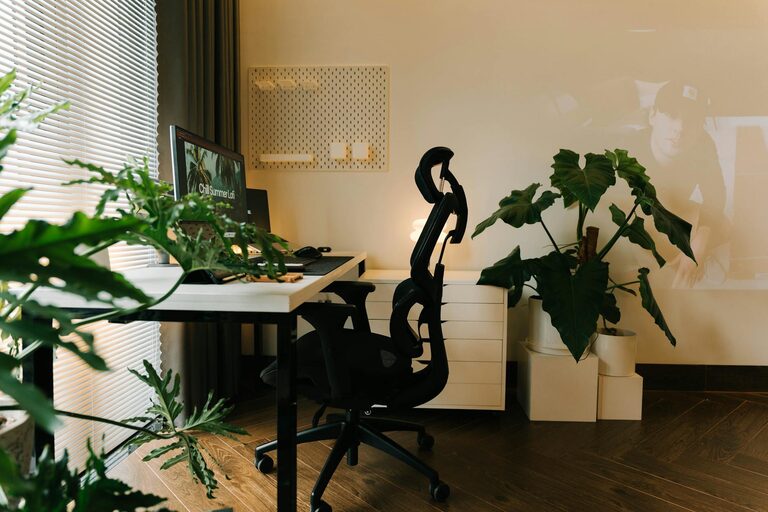
Creating a relaxing home workspace is essential for maintaining productivity and comfort, especially if you spend long hours working from home. A well-thought-out environment helps reduce stress, increase focus, and support overall well-being. In this post, we’ll explore practical tips to help you design a calm, inviting workspace that boosts your efficiency and makes your workday more enjoyable.
Why a Relaxing Workspace Matters
Working from home offers many benefits, but without a dedicated and comfortable workspace, it’s easy to feel distracted or overwhelmed. A relaxing workspace:
– Minimizes stress and fatigue
– Encourages better focus and concentration
– Helps separate work time from personal time
– Supports good posture and physical health
With these benefits in mind, let’s look at how to create a space that fosters productivity and comfort.
Choose the Right Location
Find a Quiet Corner
Start by selecting a spot in your home that is quiet and has minimal distractions. It could be a spare room, a corner of your living room, or a nook near a window. Avoid spaces near the TV or high-traffic areas to keep interruptions at bay.
Prioritize Natural Light
Natural light improves mood and energy levels. Whenever possible, position your desk near a window to soak in daylight. If natural light is limited, opt for bright, soft artificial lighting that reduces eye strain.
Invest in Comfortable Furniture
Ergonomic Chair
An ergonomic chair that supports your lower back is crucial for maintaining good posture during long work sessions. Look for chairs with adjustable height, lumbar support, and comfortable cushioning.
Suitable Desk
Choose a desk that fits your workspace and provides enough room for your computer, supplies, and any paperwork. Adjustable or standing desks are great options if you want flexibility to change positions throughout the day.
Declutter and Organize
Keep Surfaces Clear
A clutter-free desk helps create a calm environment and makes it easier to focus. Store supplies and documents in drawers, shelves, or organizers to keep your desktop tidy.
Use Organizational Tools
File holders, drawer dividers, and cable organizers keep everyday items accessible but out of the way. Labeling storage containers can also save time when searching for materials.
Add Personal yet Soothing Touches
Incorporate Plants
Greenery adds a relaxing vibe and can boost concentration. Low-maintenance plants like succulents or pothos work well in home offices.
Use Calming Colors
Paint and accessories in soft colors such as blues, greens, or pastels can create a serene atmosphere. Avoid overly bright or harsh colors that may cause distraction.
Display Inspiring Items
Keep a few meaningful objects like photos, quotes, or artwork that motivate you. Just be sure not to overcrowd the space.
Optimize for Focus and Comfort
Limit Noise Distractions
If external noise is unavoidable, consider noise-cancelling headphones or a white noise machine to help maintain focus.
Manage Screen Time
Position your monitor at eye level and about an arm’s length away to reduce eye strain and neck discomfort.
Take Breaks
Set reminders to stand up, stretch, or take short walks throughout the day. Regular breaks improve productivity and reduce fatigue.
Use Technology Wisely
Keep Cords Managed
Tidy cables prevent clutter and hazards. Use clips or sleeves to bundle wires neatly.
Choose Efficient Tools
Invest in devices that enhance your workflow, like a quality keyboard, mouse, or printer. The right tools can save time and reduce frustration.
Maintain a Routine
Set Work Hours
Define your working hours to create boundaries between professional and personal time. Inform household members to minimize interruptions during those periods.
Prepare Your Space Daily
Start your day by tidying your workspace and setting up what you need. A fresh start helps you mentally prepare and signals the beginning of work time.
Conclusion
A relaxing home workspace is achievable with a few thoughtful adjustments. By choosing the right location, investing in comfortable furniture, organizing efficiently, and adding personal touches, you create an environment that supports both comfort and productivity. Implement these tips to transform your workspace into a calming haven where you can work with focus and ease.