
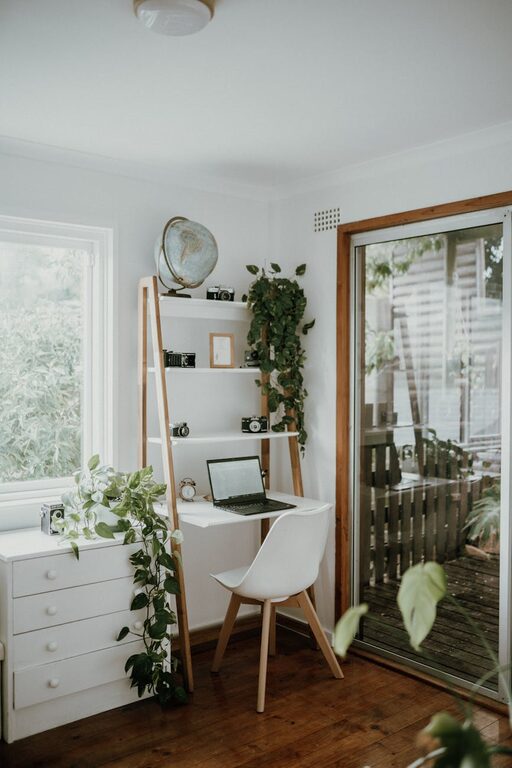
Creating a cozy and inviting home workspace is essential for staying productive and comfortable, especially if you spend long hours working from home. A well-designed workspace not only helps improve focus but also boosts your mood and creativity. Whether you have a dedicated room or just a small corner, these tips will help you transform it into an environment where work feels enjoyable and stress-free.
Choose the Right Location
Start by selecting a spot in your home with enough natural light and minimal distractions. Ideally, choose a space near a window to benefit from daylight, which can reduce eye strain and increase alertness. If a quiet corner is hard to find, consider noise-canceling headphones or soft background music to block out disturbances.
Invest in Comfortable Furniture
Comfort is key in any workspace. Your chair should support your back and encourage good posture. Look for an ergonomic chair with adjustable height and lumbar support. Pair it with a desk at the right height, so your elbows are at a 90-degree angle when typing. If you prefer standing at times, consider a sit-stand desk or a desktop converter.
Personalize Your Space with Soothing Colors and Decor
Colors influence mood and productivity. Soft, muted tones like pale blues, greens, or earthy neutrals can create a calming atmosphere. Decorate with personal touches like framed photos, artwork, or inspirational quotes, but avoid clutter that can distract you.
Adding plants is a fantastic way to bring life and freshness to your workspace. Plants not only improve air quality but can also reduce stress and enhance focus. Choose easy-to-care-for varieties like succulents, spider plants, or pothos.
Optimize Lighting
Good lighting is essential for reducing eyestrain. Combine natural light with adjustable task lighting. A desk lamp with warm, adjustable brightness will help you work comfortably during evenings or cloudy days. Avoid harsh overhead lights and glare on your screen.
Keep Your Workspace Organized
Clutter can be a major distraction. Use organizers, shelves, and storage boxes to keep supplies, documents, and gadgets tidy. A clean desk helps clear your mind. Develop a daily habit of tidying your area before finishing work for the day. Cable management solutions like clips or sleeves can also reduce mess and avoid tangled wires.
Add Cozy Elements
To make your workspace inviting, add elements that make you feel relaxed and cozy. A soft throw blanket or a cushioned seat pad can make long working hours more comfortable. Scented candles or essential diffusers with calming scents like lavender or eucalyptus can enhance your environment, but make sure they are safe and allowed if you share space with others.
Use Technology Wisely
Ensure your technology supports your comfort and efficiency. Position your computer screen at eye level to prevent neck strain. Invest in a wireless keyboard and mouse to reduce cable clutter. Consider noise-canceling headphones to stay concentrated if your surrounding environment is noisy.
Create Zones for Work and Breaks
If space allows, designate separate zones for focused work and relaxing breaks. Even a small corner with a comfy chair or cushion can serve as your break zone, helping you mentally separate work time from rest time. Taking short breaks away from your desk helps refresh your mind and increases productivity.
Keep Inspiration Close
Surround yourself with things that motivate you—a vision board, a favorite book, or creative tools relevant to your work. Switching these items periodically can keep your space feeling fresh and inspiring.
Maintain a Routine
A cozy workspace also thrives on good habits. Establish regular working hours to give structure to your day. Starting and finishing work in the same space reinforces the boundary between work and home life, helping you “switch off” effectively.
—
Creating a cozy and inviting home workspace doesn’t require a big budget or a large area. By focusing on comfort, personalization, and organization, you can design a space that feels both welcoming and efficiency-boosting. Remember to keep it flexible and tweak it as your needs change, so your home workspace remains a place you enjoy spending time in.