
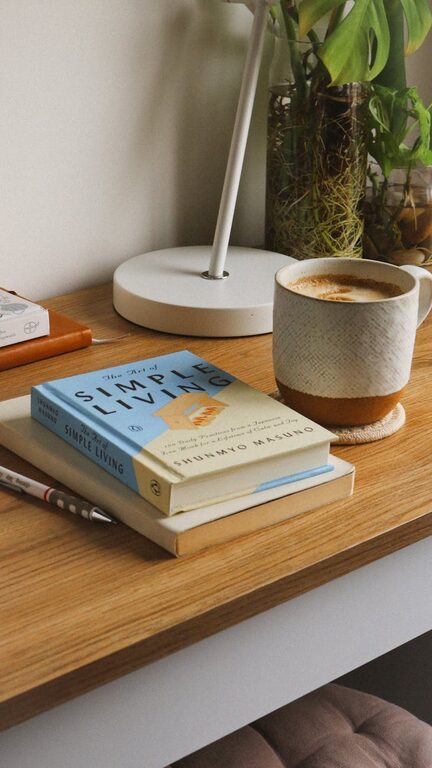
Creating a home office that feels both cozy and productive can make a significant difference in your work-from-home experience. Whether you’re setting up a new space or revamping an existing one, blending comfort with functionality helps improve focus and motivation. This post shares practical tips to help you design a workspace that you enjoy spending time in and where you can work efficiently.
Choose the Right Location
Start by selecting an appropriate spot for your home office. Ideally, it should be a quiet area with minimal distractions. If possible, pick a room with a door that you can close to signal work time and help maintain boundaries between work and personal life.
If space is limited, consider creative options like a nook in the living room or a corner in your bedroom. Just ensure you have enough room for the essentials like a desk, chair, and some storage.
Invest in Comfortable, Supportive Furniture
Your furniture plays a vital role in both comfort and productivity. A good quality ergonomic chair can prevent back strain if you spend long hours sitting. Look for one with adjustable height and lumbar support.
Your desk should be the right height to avoid strain on your wrists and shoulders. If possible, choose a desk with enough surface space for your computer, paperwork, and other tools you frequently use.
Consider Adjustable or Standing Desks
To promote better posture and reduce fatigue, consider an adjustable standing desk. You can switch between sitting and standing throughout the day, which is healthier and may boost energy.
Optimize Lighting for Work and Comfort
Lighting is another essential factor that affects how cozy and productive your home office is. Natural light is best, so try to position your desk near a window. Exposure to daylight helps regulate your circadian rhythm and can improve focus.
Supplement natural light with task lighting like a desk lamp. Adjustable lamps with warm bulbs reduce eye strain when working late or on overcast days.
Organize Your Space Efficiently
A cluttered workspace can lead to distraction and decrease productivity. Use shelves, drawers, or filing cabinets to keep papers and supplies neatly organized and within easy reach.
Add Personal Touches Without Overcrowding
Personal items like photos, plants, or artwork can make your office feel more inviting and boost your mood. But keep it balanced—too many items can create visual clutter.
Manage Noise and Distractions
Noise can be a significant distraction if you don’t have a dedicated workroom. Noise-cancelling headphones or white noise machines help drown out background sounds.
Communicate with family or housemates about your working hours to minimize interruptions.
Keep Technology Simple and Efficient
Ensure that your computer, printer, and other devices are reliable and set up for easy use. Invest in a good quality internet connection to avoid downtime.
Organize cables using clips or sleeves to keep your desk tidy and prevent accidents.
Incorporate Elements That Promote Relaxation
A cozy home office should also include some elements that help you relax during breaks. Consider adding a comfortable chair or small sofa where you can briefly rest your eyes or read.
Indoor plants can improve air quality and create a calming atmosphere.
Maintain a Routine and Clean Regularly
Keeping your workspace clean and tidy is essential for sustained productivity. Set aside a few minutes at the end of each day to clear your desk and organize your materials.
Develop a routine that signals your workday start and end to help separate professional and personal time.
—
By following these tips, you can create a home office that supports your best work while making you feel comfortable and happy. A well-designed space can lead to greater productivity, less stress, and a better balance between work and life. Happy work-from-home!